The Critical Juncture: Understanding the Stakes in 2026 Iran Nuclear Talks
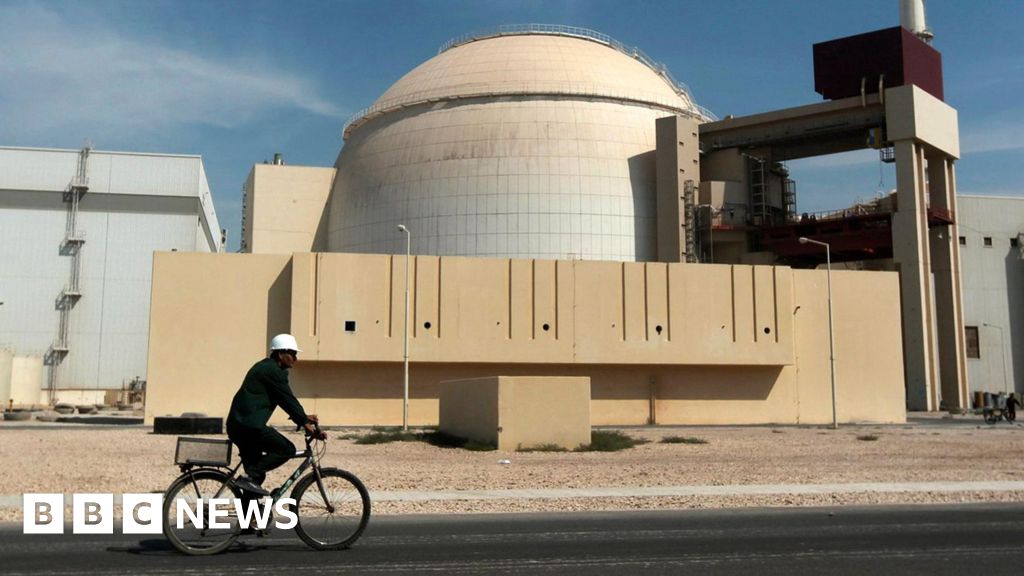
The year 2026 witnessed a renewed, intense focus on the international community's efforts to curtail Iran's nuclear ambitions. A series of indirect negotiations between the United States and Iran, often referred to collectively as the February 2026 Iran-US Nuclear Talks: Deadlock & Diplomacy, brought the intricate dance of diplomacy and deterrence to a head. These discussions, unfolding against a backdrop of deep mistrust, escalating regional tensions, and domestic turmoil within Iran, underscored the profound stakes involved in preventing nuclear proliferation and safeguarding global security. The primary objective of these crucial iran nuclear talks was clear: to establish frameworks that would suspend or dismantle aspects of Iran's nuclear activities in exchange for de-escalation, thereby averting a potential military confrontation.
Mediated primarily by Oman, the talks represented a delicate tightrope walk for all parties. While Iranian Foreign Minister Abbas Araghchi cautiously described the initial engagements as a "good start," the path forward remained fraught with challenges. The absence of a breakthrough in key areas, coupled with explicit warnings from the US of "serious consequences" if a new agreement wasn't reached, highlighted the precarious nature of these high-level diplomatic efforts.
The Genesis and Dynamics of the 2026 Iran Nuclear Talks
The February 2026 Iran Nuclear Talks 2026: Diplomacy Amidst Escalation Threats were set in motion under the Trump administration, with President Donald Trump issuing a stern 30-day deadline for Iran to agree to a new nuclear deal. These indirect negotiations commenced with a first round in Muscat, Oman, on February 6, 2026, following Iran's request to change the venue from Istanbul. A second round quickly followed on February 17 in Geneva, notable for the exclusion of European participants, signaling a more direct, bilateral approach between Washington and Tehran.
The dynamics of these discussions were complex and multifaceted. Key figures such as Iran's Foreign Minister Abbas Araghchi and US special envoy Steve Witkoff, alongside Jared Kushner, were central to the proceedings. Iran’s position involved an offer to dilute its enriched uranium stockpile, a critical step towards reducing its nuclear proliferation risk, in exchange for significant sanctions relief. However, a major sticking point emerged early on: Iran's firm rejection of US offers to discuss its ballistic missile program, which Washington views as an integral component of Iran’s military threat.
Adding layers of tension to the diplomatic efforts, the period coincided with several provocative actions. Iran temporarily closed the Strait of Hormuz for live-fire military drills, a clear show of force aimed at projecting regional influence and potentially disrupting global oil flows. Satellite imagery also revealed Iran actively repairing and fortifying key military and nuclear sites, including Parchin and Isfahan, underscoring its determination to protect strategic assets. These actions were mirrored by a significant US military buildup in the Middle East, including a second aircraft carrier deployment, signaling readiness for potential operations.
Domestically, Iran was grappling with widespread, violent protests triggered by a deepening economic crisis, with demonstrators calling for the end of the Islamic Republic. This internal instability likely influenced Tehran's negotiating posture, as President Masoud Pezeshkian ordered the resumption of negotiations, signaling an openness to international oversight of nuclear facilities – a potential concession born out of necessity and a desire for economic relief.
The Immediate Stakes: Preventing Nuclear Proliferation
At the heart of the iran nuclear talks lie the immediate and profound stakes of preventing nuclear proliferation. The international community's primary concern is to ensure Iran does not acquire nuclear weapons, a development that would fundamentally alter the geopolitical landscape of the Middle East and beyond. The talks aimed at establishing verifiable mechanisms to curb Iran's uranium enrichment program, reduce its existing stockpiles, and restrict the development of technologies that could be diverted for military purposes.
- Reducing "Breakout Time": A key metric in non-proliferation, "breakout time" refers to the period Iran would need to produce enough weapons-grade fissile material for a single nuclear weapon. The talks sought to significantly extend this timeframe through verifiable limits on enrichment levels and quantities.
- Enhancing Verification and Monitoring: A robust agreement would necessitate enhanced access for international inspectors, particularly from the International Atomic Energy Agency (IAEA), to all declared and potentially undeclared nuclear sites. This transparency is crucial for building trust and ensuring compliance.
- Limiting Ballistic Missile Capabilities: While Iran consistently rejected including its ballistic missile program in the talks, the US and its allies view these missiles as potential delivery systems for nuclear warheads, making their control a critical component of any comprehensive non-proliferation strategy. The continued disagreement over this point remains a major hurdle.
The failure to secure a verifiable agreement carries the immense risk of a nuclear arms race in an already volatile region. Other nations might feel compelled to develop their own nuclear capabilities in response, leading to an unpredictable and dangerous escalation of tensions.
Broader Geopolitical Ramifications and Regional Stability
Beyond the immediate threat of nuclear proliferation, the 2026 iran nuclear talks held substantial implications for broader geopolitical stability and regional security. The Middle East has long been a hotbed of conflicts, and an unchecked Iranian nuclear program, or the military actions threatened by the US, would undoubtedly exacerbate existing fault lines.
- Regional Power Dynamics: A nuclear-armed Iran would drastically shift the balance of power, unsettling rivals like Saudi Arabia, Israel, and other Gulf states. This could lead to heightened proxy conflicts, increased military spending, and a scramble for advanced weaponry.
- Risk of Military Escalation: President Trump's explicit warning of potential military action if a deal was not reached, coupled with Iran's threats of regional war in response to potential strikes, painted a stark picture of the consequences of diplomatic failure. The US military buildup in the region underscored the seriousness of these threats, transforming the talks into a mechanism for either de-escalation or heightened conflict.
- Global Economic Impact: The Strait of Hormuz, a critical choke point for global oil shipments, was temporarily closed by Iran during military drills. Any sustained disruption to this vital waterway due to conflict would have immediate and severe repercussions for global energy markets, impacting economies worldwide.
- Credibility of Diplomacy: The success or failure of these talks also carried implications for the credibility of international diplomacy as a tool for resolving complex security challenges. If indirect negotiations between deeply mistrustful adversaries could not yield results, it would cast a long shadow over future diplomatic efforts.
Navigating the Path Forward: Challenges and Opportunities
The future of the iran nuclear talks, and indeed Iran's nuclear program, remains highly uncertain. The challenges are formidable, rooted in decades of animosity, a lack of trust, and conflicting strategic objectives. Iran's insistence on "fair terms" amid perceived US threats, alongside its unwavering stance on its missile program, continues to complicate progress. The unverified reports of progress during the 2026 rounds suggest an ongoing struggle to bridge fundamental divides.
However, opportunities for a diplomatic resolution, though narrow, still exist. Iranian President Pezeshkian's directive for resumed negotiations and his expressed openness to international oversight signal a potential willingness to engage, likely driven by internal economic pressures and a desire for sanctions relief. Similarly, despite his strong warnings, President Trump also expressed hope for an imminent deal, suggesting a preference for a diplomatic solution over military confrontation.
Practical Insights for Monitoring Progress:
- Verifiable Actions vs. Rhetoric: Focus on concrete, verifiable steps taken by Iran regarding its enrichment levels, centrifuge deployment, and access for inspectors, rather than just public statements.
- Sanctions Relief Modalities: Observe the details of any proposed sanctions relief – which sanctions are lifted, when, and under what conditions. This is Iran's primary incentive.
- Third-Party Mediation: The role of mediators like Oman is critical. Continued engagement and creative proposals from these facilitators could be key to breaking deadlocks.
- Regional Reactions: Pay close attention to the reactions of regional powers like Israel and Saudi Arabia, whose security concerns are paramount and whose buy-in is vital for any lasting agreement.
Ultimately, the stakes in the iran nuclear talks are immense, touching upon regional stability, global security, and the efficacy of international diplomacy. The February 2026 rounds highlighted the intricate web of challenges and the profound consequences of both success and failure. As the world watches, the outcome will shape the trajectory of non-proliferation efforts for years to come, demanding sustained, patient, and resolute diplomatic engagement from all parties.